
Gum disease treatment in Camden
Gentle, evidence-based periodontal care to help manage bleeding gums, gum recession and bone loss.
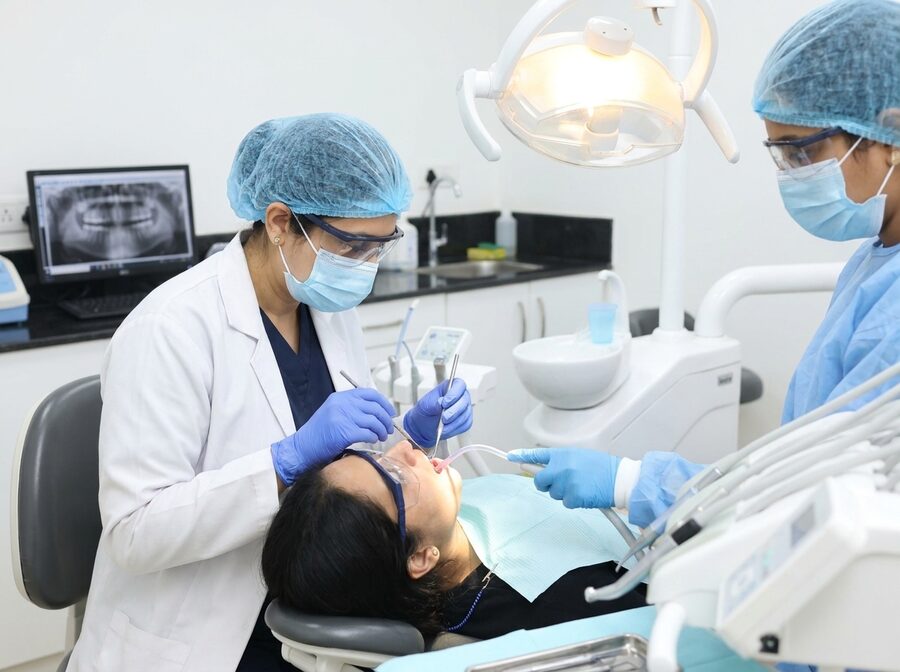
Gum (periodontal) disease is a common but often silent condition that affects the tissues supporting your teeth. Early-stage gum disease (gingivitis) usually causes red, swollen or bleeding gums and is generally reversible with professional cleaning and improved home care. More advanced gum disease (periodontitis) can lead to gum recession, loss of supporting bone and, eventually, loose teeth — and needs ongoing management. At Dentistree in Camden, we'll carefully assess your gum health and walk you through what's happening and what you can do about it.
Healthy gums are the foundation of a healthy smile
Gum disease is one of the leading causes of tooth loss in adults, yet it's often painless until it's advanced. Risk factors include plaque build-up, smoking, poorly controlled diabetes, certain medications, hormonal changes and a family history of gum disease. The good news is that with early detection, professional treatment and consistent home care, gum disease can usually be controlled. Once you've had periodontal disease, you'll generally need more frequent check-ups and cleans to keep it stable long-term.
- Comprehensive periodontal (gum) assessment
- Periodontal charting and risk evaluation
- Professional scale, clean and root surface debridement
- Personalised home care guidance
- Tailored maintenance / recall schedule
- Referral to a periodontist where appropriate
Book your appointment
Ready to get started? Book online any time, or give our friendly team a call — we're happy to answer your questions.
Frequently asked questions
You might also be interested in
Explore other dental services available at Dentistree in Camden.
Check-ups & cleans
Regular preventive cleans help reduce the risk of gum disease developing.
Learn moreX-rays & diagnostics
Imaging helps measure bone levels and monitor gum disease over time.
Learn moreFillings & restorations
Treating decay and overhanging restorations helps protect gum health.
Learn moreExtractions
When teeth can't be saved due to advanced gum disease, gentle removal options are available.
Learn moreDental implants
Long-term tooth replacement options for teeth lost to periodontal disease.
Learn moreDentures
Comfortable, natural-looking replacement options where multiple teeth are missing.
Learn moreReady for a calmer dental visit?
Book online or call our friendly team. We'll take the time to listen and explain everything clearly.