
Dental veneers in Camden
Thin, custom-made facings bonded to the front of the teeth to change their shape, colour or alignment.
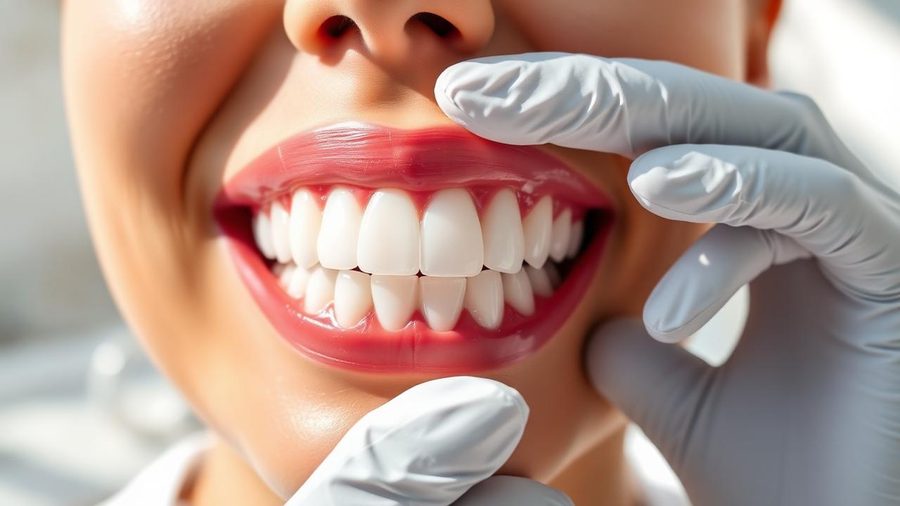
Veneers can be used to address a range of cosmetic concerns — including discolouration that doesn't respond to whitening, small chips, uneven edges and minor gaps. At Dentistree in Camden, we offer porcelain and composite (resin) veneers, and treatment always starts with an honest assessment to make sure veneers are the right approach for your goals and your teeth.
Veneers are a long-term commitment
Most porcelain veneers — and many composite veneers — involve some reshaping of the natural tooth surface, which is a permanent change. Once a tooth has been prepared for a veneer, it will generally always need a veneer or crown going forward. Veneers can chip, stain (composite more so than porcelain) or come loose over time and may need maintenance or replacement after a number of years. Habits like nail-biting, grinding or biting hard objects can significantly shorten their lifespan. Because of this, it's important to understand the trade-offs and consider more conservative options first where appropriate, such as whitening, bonding or orthodontic treatment.
- Smile assessment and case planning
- Choice of porcelain or composite veneers
- Discussion of more conservative alternatives
- Trial smile / mock-up where appropriate
- Tooth preparation under local anaesthetic
- Clear advice on maintenance and longevity
Book your appointment
Ready to get started? Book online any time, or give our friendly team a call — we're happy to answer your questions.
Frequently asked questions
You might also be interested in
Explore other dental services available at Dentistree in Camden.
Cosmetic dentistry
Veneers are one part of a wider cosmetic toolkit.
Learn moreTeeth whitening
Often a more conservative first step before considering veneers.
Learn moreCrowns & bridges
Crowns are sometimes a better option for heavily damaged teeth.
Learn moreInvisalign / clear aligners
Straightening teeth first can avoid more invasive cosmetic treatment.
Learn moreFillings & restorations
Composite bonding can be a less invasive alternative to veneers.
Learn moreMouthguards
A night guard can help protect veneers from grinding-related damage.
Learn moreReady for a calmer dental visit?
Book online or call our friendly team. We'll take the time to listen and explain everything clearly.